


Hey all, thanks for the great feedback on publiclandsdata.com after last weeks newsletter. Glad so many folks are find it interesting/useful. Feel free to reach out with any questions or suggestions in the future.
Thanks for reading.
~Kyle
If you’ve tried to book a campsite in Yellowstone, get a Half Dome permit, or visit the Enchantments, you know the drill. Reservation windows, lotteries, timed entry, all the bells and whistles. For most of the last decade that’s been a mostly American problem: a lot of people visiting national parks and hiking popular trails, and new restrictions to control that visitation. The Alps (with its hut networks, trains, and hundreds of years of infrastructure) avoided these issues for a bit longer, but over the last few years, that’s starting to change.
This week, seven French communes proposed a new management plan for the Tour du Mont Blanc (TMB). Starting in spring 2027, people hiking the TMB (on the French section) will be required to have a reservation in a refuge, hotel, campsite, or approved bivouac area. Wild camping (what Americans would call backcountry or dispersed camping) will be banned completely, and a “green brigade” will be created to check whether hikers have reservations.
So, not permits, per se, but a new set of reservation requirements that will functionally cap capacity on the trail.
A trail the world wants to hike
The iconic 170km route passes through France, Italy, and Switzerland and most people hike the loop in 9-11 days, counter-clockwise from Chamonix or Les Houches. You can camp, you can do it with a guide and a luggage van, or you can book the refuges/hotel nights yourself (or have it organized via a company). It’s also the course for UTMB, and the growth of trail running has helped turn the trek into a global bucket-list item. It’s spectacularly beautiful, not particularly technically challenging outside of elevation gain and loss, and passes through a solid mix of villages and huts that makes it palatable for a wide range of hikers.
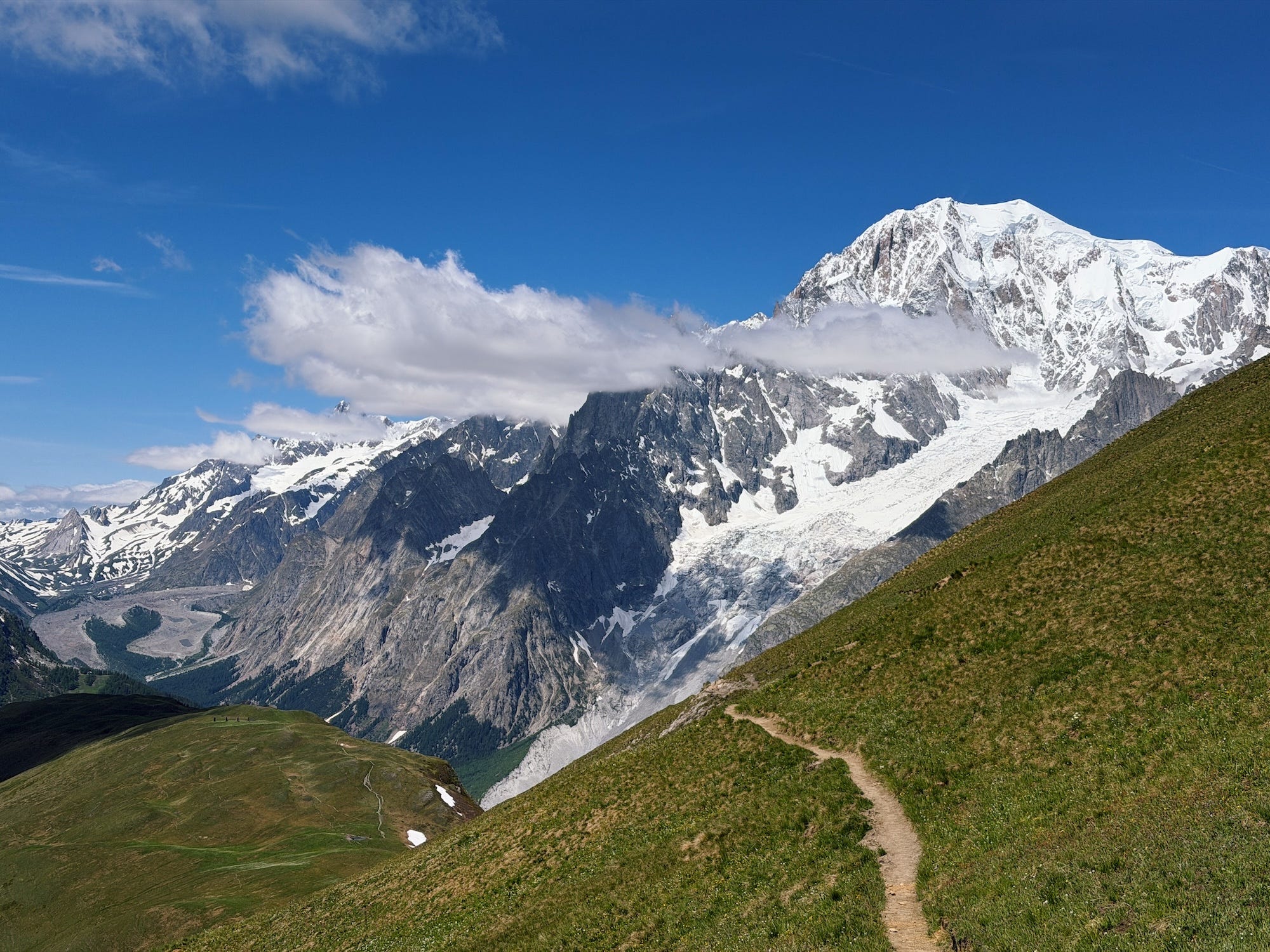
There’s not really a clean accounting of how many people hike the trail every year, but it’s a lot, and that number has steadily increased over the last several years. A study conducted over the summer of 2025 estimated about 75,000 hikers on the route, and on AllTrails we’ve seen a 400% increase in tracked activities on TMB segments since 2022. Jean-Marc Peillex, the mayor of Saint-Gervais, told the Times it hit 90,000 this summer.
That growth has started to cause problems. Refuge keepers are complaining about their huts being surrounded by campers who didn’t book, farmers are concerned about trash and human waste in pastures, and villages are annoyed by the number of taxis shuttling suitcases between stages. And last August, surveyors counted 125 tents overnighting an area where camping was clearly marked as forbidden. It’s not a small problem; the same 2025 study found that 29% of TMB hikers were bivouacking.
The share of TMB reviews on AllTrails mentioning crowds or busy trails has climbed over the last two summers, and people call out a few specific things: the early-morning exodus from Les Contamines, shuttle lines at Les Chapieux, and crowded valley campgrounds in peak season. People also mention August as an incredibly busy time of year and recommend hiking in the fall or choosing less-traveled (but often harder) variants for days with a bit more solitude.
It's not the Alps, it's the bucket list
It’s easy to say “the Alps are getting more crowded,” and that’s not totally untrue. But I’ve spent most of the last few years based in London and I spent a considerable amount of that time in the Alps. The majority of places are not this impacted. Nobody is capping visitors to the Vanoise. There’s no lottery for the Stubai High Trail. There’s still hardly anyone in St Anton in the summer. There’s a lot of people in Interlaken/Mürren/Grindelwald, but even one valley over you’ll hardly see anyone. The Dolomites encompass a huge area and while there are more people overall than five years ago, the biggest over-tourism problems are concentrated in maybe three or four spots.
Pressures tend to be focused on a shortlist of places that have become synonymous with bucket-list travel to the Alps.
Tre Cime di Lavaredo: the toll road requires a mandatory online reservation during the summer
Seceda: The price of the cable car increased to €74 and some farmers have installed a turnstile, charging visitors €5
Lago di Braies, Alpe di Siusi, and Passo Gardena all have vehicle caps or timed access
Chamonix recently announced that they’re considering daily hiker quotas for Lac Blanc in 2027
Madeira requires a timed entry slot and a €4.50 fee for every official trail on the island
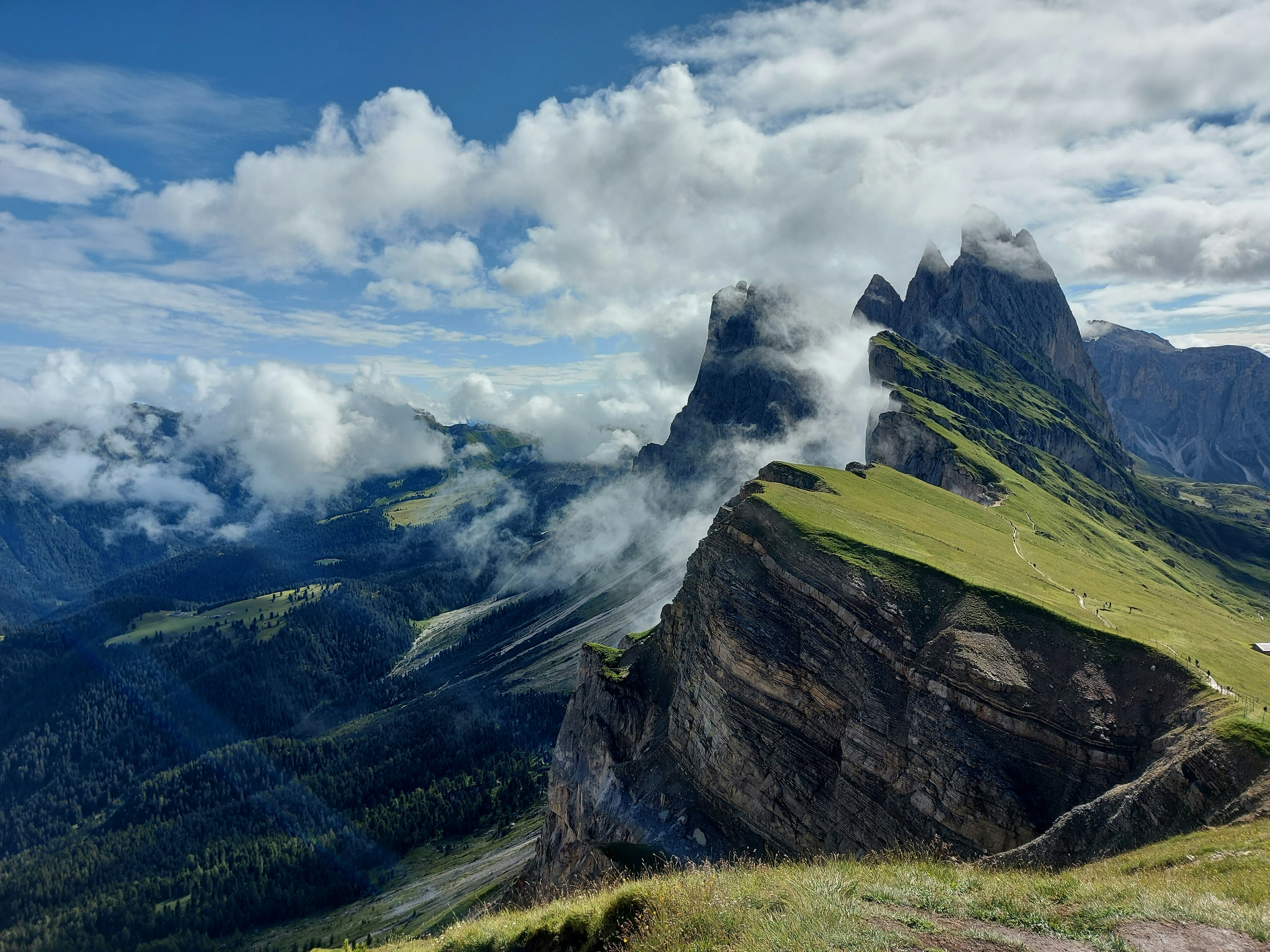
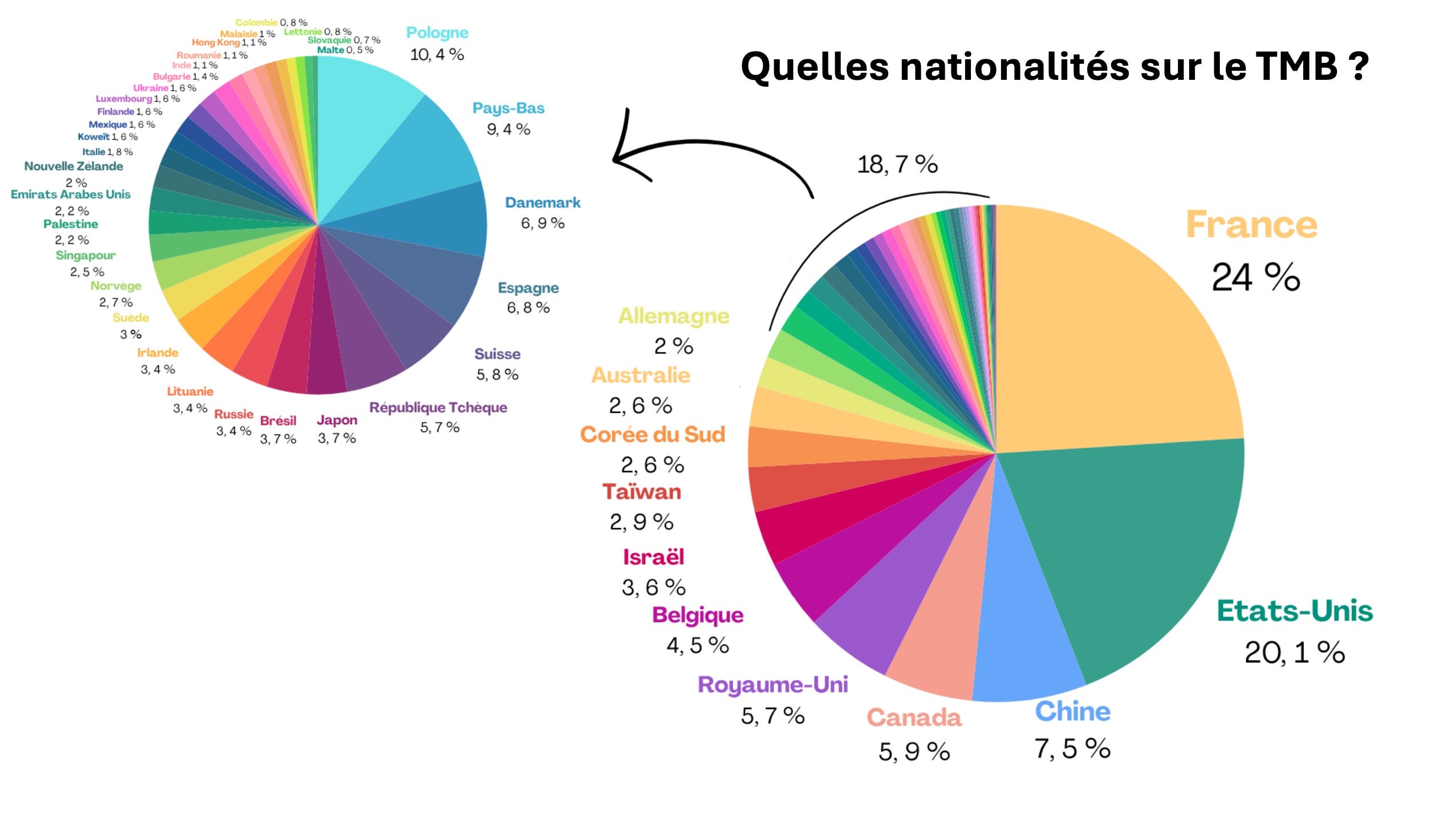
If there’s one thing most of these places have in common, it’s millions of views on Instagram, TikTok and YouTube. The TMB is a good example of what that kind of global popularity to a trail. Three-quarters of the people on it are international, with Americans making up the largest group followed by China, Canada, the UK, Belgium, and Israel. These are also beautiful places, so it’s not as if I can blame anyone for wanting to visit. But when everyone has the same list, we end up with problems like these.
What to watch
There are a few things I’ll be keeping my eye on as this continues to develop. First, the approach they’ve opted for is linked to capacity, not a visitation cap/permits with a lottery. The cap ends up being whatever the huts, hotels, campgrounds, and official bivouac sites can hold; the new plan commits to not adding any new ones. It’ll be interesting to see how much more pressure this puts on refuges and villages if wild camping demand shifts to hotel rooms and refuge beds.
They’re also targeting luggage transfers, which feels like a signal about how they believe the TMB should be experienced. The new guidance only allows trekking packs, on a schedule, and the stated goal is to get the TMB back to being a mountain route walked on foot…rather than a paid tour where your suitcase rides a van from hotel to hotel. It feels a bit like drawing a line between hikers/trekkers and tourists. Peillex put it bluntly, telling the Times the tour has become a “consumer object” that operators sell without worrying about the damage and criticizing “tourists sending ‘pink wheelie suitcases and make up-bags’”.
It’s unclear how this will be enforced across three countries and whether Italy and Switzerland join at all (they already have very strict restrictions on wild camping). But we can look at the Alta Via 1 to see how this might play out. The huts open their books in August for the following summer, the famous ones sell out within weeks, and much of the inventory is held by tour operators. The TMB was already in a similar place, but it’s likely to get more challenging. No permit, no lottery, but a trail you have to plan a year out or pay an operator. Reservations for the 2027 TMB refuges open October 15. If you were thinking about planning a trip for next year, that’s the date to put on your calendar.