


This past September, Salomon announced a five-year partnership with Ironman.
Starting next year, Kona will be the Salomon Ironman World Championship. That’s part of a deal that also makes Salomon the official shoe of Ironman (plus apparel and bags) and will put its name on the run course at Ironman races across the US and Europe. They’ll take over from Hoka, which held the sponsorship for most of the last decade.
I think of Salomon as skis and trail (and increasingly, sneakers), so a big bet on road running and triathlon wasn’t something that most people saw coming. Naturally, there have been some mixed takes and confusion. I talked to Erin Cooper, who runs marketing for performance and sportstyle at Salomon North America, to hear how they’re thinking about it. But first, a bit of background.
What is Salomon, anyways?
It depends who you ask.
Amer Sports’ CEO called it “the modern outdoor sneaker brand” in a recent earnings call. In the Ironman press release, they describe themselves as “the modern mountain sports lifestyle brand.” Heikki Salonen, who became Salomon’s creative director in January, recently said Salomon shouldn’t become a fashion brand.
Salomon has managed to balance this weird amalgam of deep credibility and popularity across different verticals and sometimes very different customers. It’s both an awkward thing for one company to be and a position to envy.
Whatever we call it, Salomon is booming (it passed $2 billion in sales in FY2025). Their parent company, Amer Sports, doesn’t break out Salomon numbers independently, but the Outdoor Performance segment (Salomon + Atomic + Armada), grew 37% to $569 million in Q2 2026.
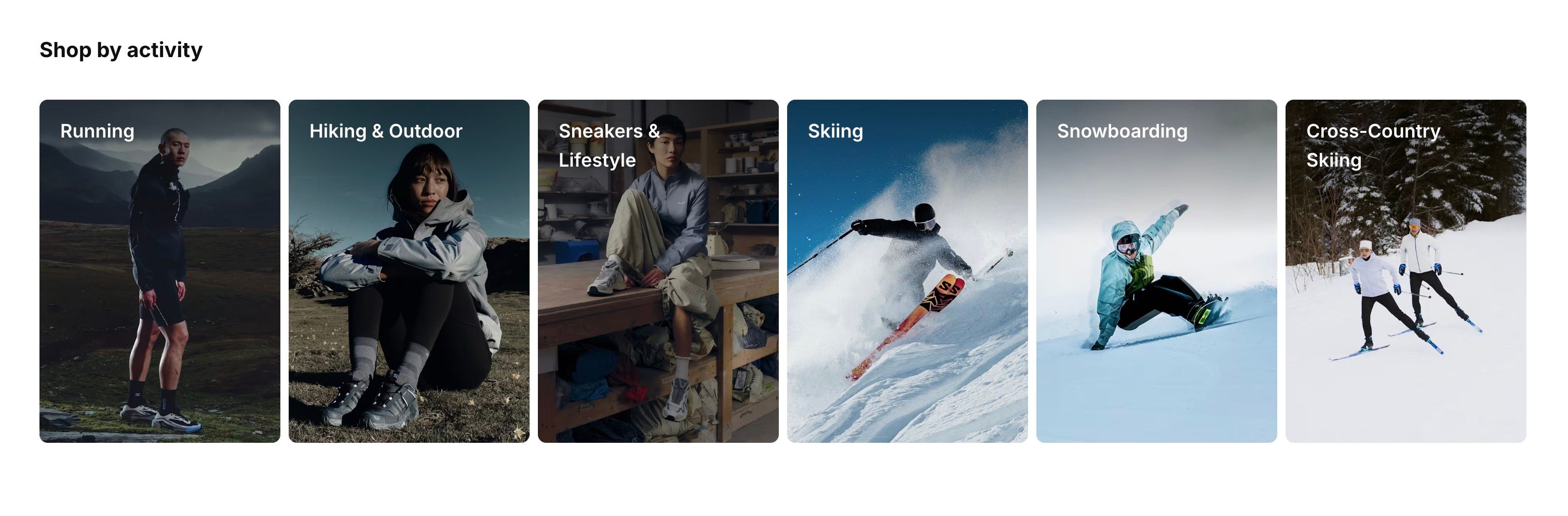
A lot of that is sneakers. The XT-6 went from a trail shoe to something you see in every big city, and they continue to expand into Foot Locker, JD Sports, and Nordstrom. It’s also continuing to grow in China, a repeated refrain about performance outdoor brands these days. Some folks think that the “fashion” side of things is a problem. I spent the last two years in London, where an XT-6 is just a shoe people wear, and most of the “fashion ruined Salomon” grumbling I hear comes from places like Boulder. Despite their growth in the gorpcore world and ten thousand different colorways and collabs, the XT-6 is still a perfectly serviceable shoe for most people on the trails, and they’re still making great skis, boots, trail runners, etc.
But, anything that’s “fashionable” is likely to cool off eventually, and I doubt Salomon wants to be leaning too heavily on one shoe (or category of shoes) when that happens. The Ironman deal looks to me like an effort to keep Salomon relevant and top-of-mind for performance endurance, and particularly to push for more growth in road.
Why Ironman, and why now
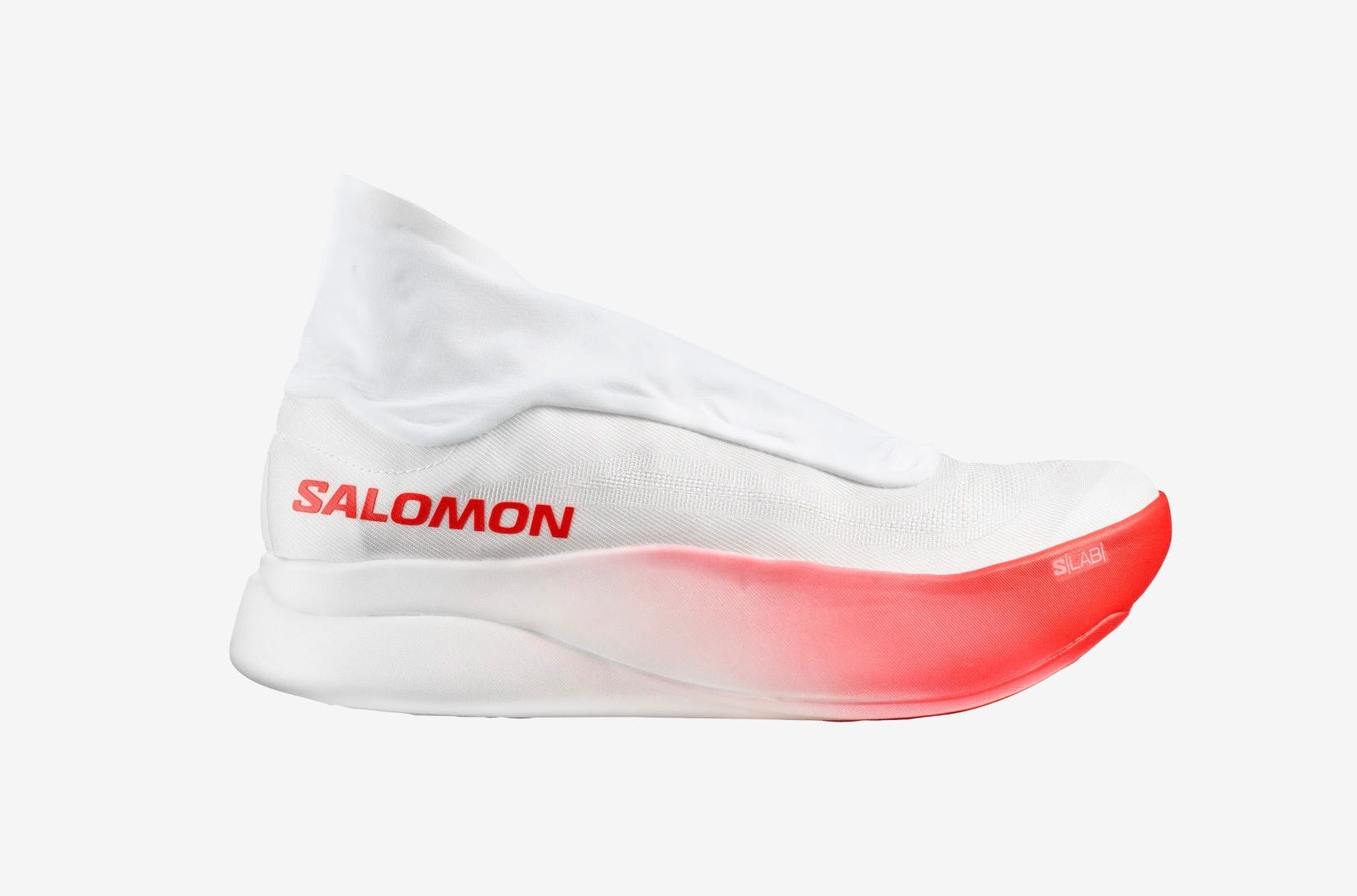
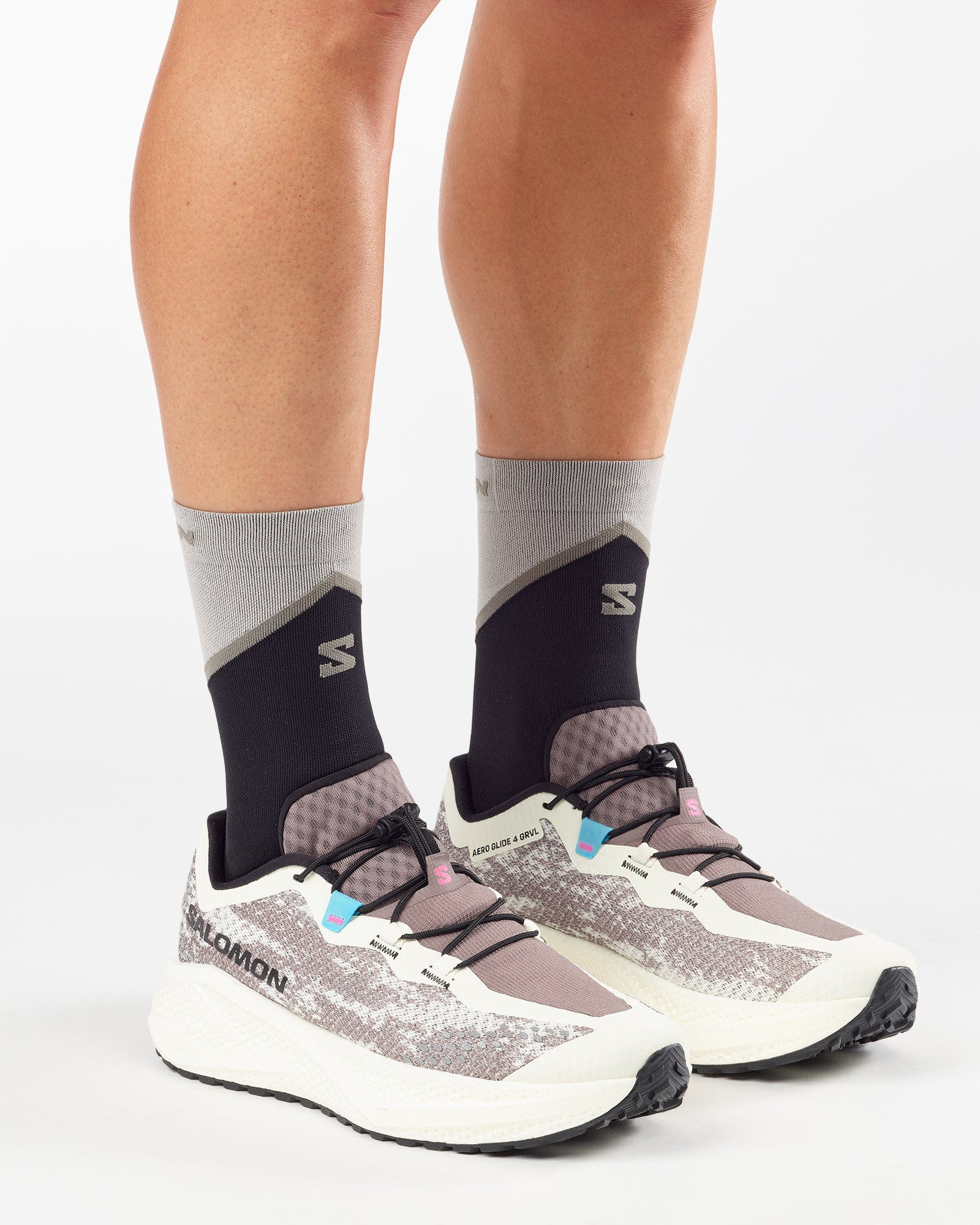
Salomon already makes pretty good road shoes. The S/Lab Phantasm 3, their closest thing to a road supershoe, has reviewed decently (Believe in the Run rated it a B and said it has the “best material Salomon has ever offered in a race-day shoe”), and the Aero Glide is a good daily trainer. But Salomon isn’t quite as present as other brands in conversations/recommendations of road running gear. When runners talk about what shoes to wear for a marathon, the names that come up are brands like Adidas, Nike, Asics, Saucony, and Hoka. Salomon has nothing like the Adidas Evo SL, a shoe that feels culturally relevant on top of being a daily shoe for many, or a supershoe in the same conversation as an Alphafly, Adios Pro, Cielo X1, or Metaspeed.
I think Salomon needs a push, something to tip the perception among performance-minded athletes more toward the brand as a legitimate option for road racing.
Ironman is a good place for that push, and probably a better sponsorship option than a big road marathon. Salomon turning up at a road marathon would’ve been a bit of a stretch, but Ironman fits how Salomon already talks about itself. It has more of an “endurance” angle, and feels closer in spirit to trail and ultras than to a fast, flat marathon. Triathletes are a smaller group (relative to the broader road audience), performance-oriented and spend a lot on gear. And, the run comes last, after 2.4 miles of swimming and 112 miles on the bike, so the shoe you choose might matter more than it would in a normal marathon. It’s a crucible for Salomon’s growing road line.
A conversation with Erin Cooper
I spoke to Erin Cooper, Salomon’s Director of Marketing for Performance and Sportstyle in North America. She’s been at Salomon since 2019 and works out of its North American headquarters in Ogden, Utah.
What does the Ironman deal say about where Salomon is headed on the road?
Cooper started with the bigger picture, saying Salomon “champions running on all terrains” and highlighting how athletes move between sports more than they used to, before getting more specific on triathlon:
“The Ironman community allows us to tap into almost the ultimate validators of road running. It’s obviously a very niche community. But if you think about it, the final leg, [the marathon], is the decider of this race, and there is zero room for compromise in the types of products that those athletes are going to choose.”
I think “validators” is a good word for what Salomon is after. The road shoes have reviewed better well (but not great) for a few seasons without many people noticing more broadly. A small, obsessive audience that picks shoes on performance is a strategy to build more credibility amongst discerning athletes (it’s also the same strategy Hoka used for Ironman years ago).
Are more road shoes coming?
There’s a bit of awkwardness right now because their road options are fairly limited/unknown. My guess was that we’ll see a huge jump in SKUs on the road side in 2027/28.
Cooper described their road range as small on purpose so far, and said a daily trainer “had been lacking from our lineup” until recently. When I asked if more road shoes are coming, she said “twenty-seven’s gonna be a fun year.”
“We’ve had a couple seasons now, and a couple years within the run specialty market and our own channels, of consumers understanding how we approach cushioning and dynamic comfort and what our expression of that is. And now we’re really ready to start taking it to the next chapter. It’s gonna be a good year next year with some additions.”
Is gravel a real category, or just a bridge for Salomon into road?
“Kind of both. It is still gonna maintain a key focus category for us as a brand. Door-to-trail products, of course, have existed, but the way that we are able to talk about gravel running is allowing us to tap into either consumers who haven’t considered Salomon before, and it’s a great kind of gateway in for them, or a natural bridge to bring trail runners over to the road silhouettes and the road products, because that’s the midsole and components that the products sit on.”
I know the gravel category causes some to roll their eyes (can someone just send Colin at The Rock Fight a pair of Aero Glides?). But a lot of trail running happens between sidewalks, dirt roads, and bike paths, so the framing makes sense to me from a marketing perspective. I understand that yes, it’s another category to deal with, but I suspect it’s been a big win in bringing folks to Salomon who don’t see themselves as trail runners, or are “trail curious” but not interested in trail-specific shoes. It’s also been a slow bridge for their existing trail consumers toward the road shoes.
Gravel just puts a more explicit name behind the nebulous “road to trail” category that already exists, with quite a few popular shoes in this realm like the Mount to Coast H1 and Adidas Evo SL ATR.
Is there a risk that younger buyers know Salomon as fashion first?
A lot of younger buyers only know Salomon as a fashion-forward sneaker, and I wondered whether that was a risk, since they might assume they’d need a different brand once they get serious about running. But Cooper sees that less as a risk than an opportunity. “Three hundred sixty-five days a year, across all types of climates, we are there with products,” she said. People who know Salomon from skiing may not know about the sneakers (and the reverse), and she sees that as room to grow.
“It’s almost like we’re becoming this unavoidable, culturally relevant brand. You’re running into us at all these different points.”
The breadth is real (I own Salomon skis, vest, trail shoes, clothing, etc). When I asked later in the call what she wishes people understood about Salomon, she came back to the same point. That said, I’d be curious how often someone who bought an XT-6 at Foot Locker actually ever ends up looking at Salomon’s running shoes or skis.
I don’t have data to back this up, but I still think this is a risk for them — I’ve seen enough Reels and Tiktoks from younger consumers who’s opinions have started to slant negative because their main association is the “gorpcore” side of the brand (and therefore associations with cheap/less durable/less capable). I don’t think this is true, but it’s an interesting trend to follow.
Is the Ironman deal a way to avoid getting pigeonholed as a fashion brand?
I asked whether the deal had anything to do with Salonen’s push to put performance first.
“Everything that we have produced that has become popular on the sportstyle side has been an inception from the performance side. If you look at the XT-6 as a key franchise, that was a UTMB podium shoe. So that is not going to change.”
This felt like a bit of a PR answer, given the amount of effort put into sportstyle, but as I said above, I feel pretty strongly that this is an opportunity to keep performance top of mind for the brand.
How does Salomon plan to show up at Ironman?
Cooper said Salomon will “continue to do what it does best,” and talked about how they plan to show up.
“Coming into a space like Ironman, we likely have some introductions to do to that community. It’s a great opportunity for us to learn from what has been done and how the community wants to engage with brands. Every single Ironman course on the run side is going to be this Salomon Run Course. And how we show up with more than just a logo and engage with the community, it’s all through a lens of humility as we come in to humbly connect with that group and learn from them.”
I think that’s the right instinct (if a pretty “safe” answer). I’d guess a lot of triathletes know Salomon from trail running or skiing (if at all), and a logo on the run course isn’t going to immediately change what they race in or their associations. Salomon has already signed three pro triathletes (Marjolaine Pierré, Julie Iemmolo and Casper Stornes) to help develop product, which is a good start.
A few final thoughts
Tbh I understand why some people are still confused by this deal. But Salomon is having a moment, they're flush with cash, and I like that they’re spending it on something more interesting (and challenging) than just selling more XT-6s.
A lot probably comes down to the reception of new road shoes coming out in the next few years. I have no idea what those look like yet, beyond Cooper’s promise that 2027 will be fun. I own a decent amount of Salomon gear, but like many people, it’s not a brand I look to for a new road shoe. Maybe 2027 will change that.